

How Sleep Affects Anxiety and Depression
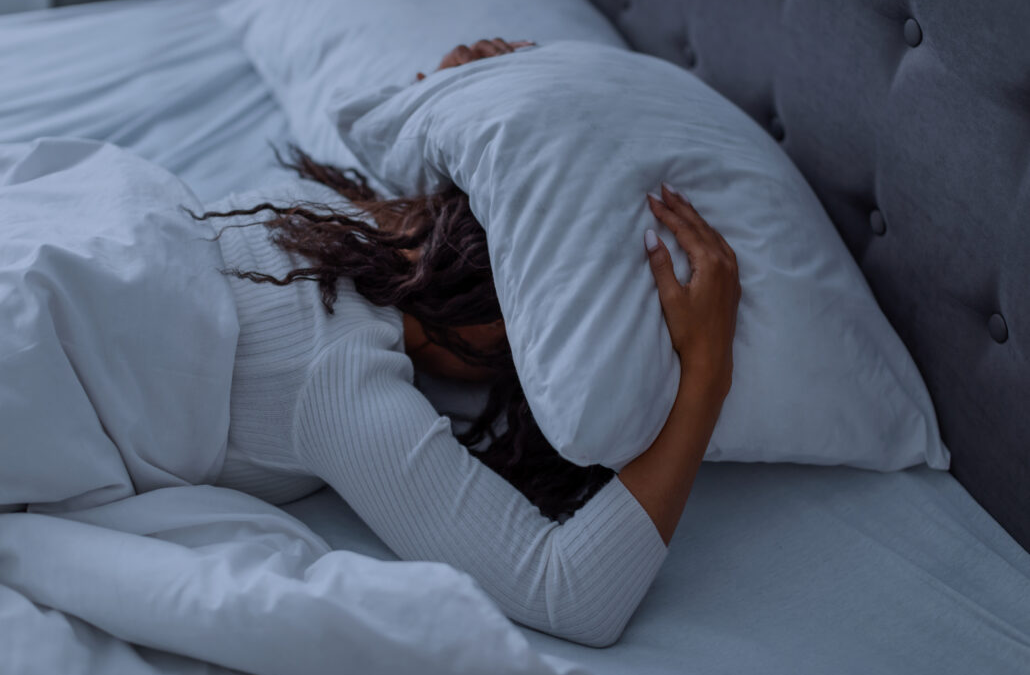
Many people struggling with anxiety or depression often notice that their sleep is also disturbed. Some find it hard to fall asleep, while others wake up multiple times during the night or feel tired even after sleeping for long hours. At DreamDent, we often see patients mention that poor sleep is closely linked with increased stress, anxiety, and overall mental fatigue.
Sleep and mental health are deeply connected. When sleep quality drops, emotional balance is affected. This can make anxiety feel stronger and depression symptoms more intense. On the other hand, improving sleep can support better mood regulation, clearer thinking, and emotional stability.
Sleep plays an important role in how the brain processes stress and emotions. Without proper rest, the brain finds it harder to manage negative thoughts, which can increase emotional sensitivity and mental fatigue.
Is There a Connection Between Sleep and Mental Health?
Yes. Research suggests a strong two-way relationship between sleep and mental health conditions like anxiety and depression.
Poor sleep can:
- Increase stress sensitivity
- Make emotional responses stronger
- Reduce focus and decision-making ability
- Lower motivation and energy levels
In some cases, sleep disturbances caused by conditions such as snoring or sleep apnea may also contribute to poor sleep quality, making it harder for the brain and body to recover properly overnight.
At the same time, anxiety and depression can:
- Disrupt normal sleep cycles
- Cause insomnia or oversleeping
- Lead to frequent night awakenings
- Affect sleep quality even after long rest
This creates a cycle where poor sleep worsens mental health, and mental health issues make sleep even more difficult. Identifying underlying sleep problems, including persistent snoring, can be an important step toward improving both sleep quality and overall mental well-being.
Why Does Poor Sleep Worsen Anxiety and Depression?
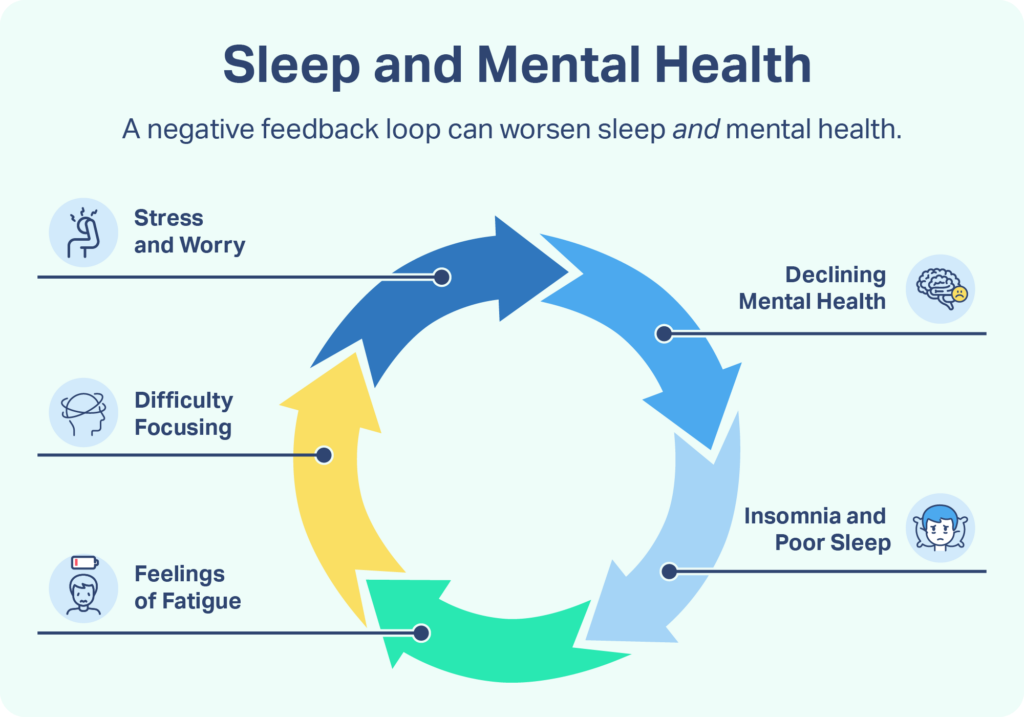
When you don’t sleep well, the brain does not get enough time to reset and restore balance. This affects key areas of emotional control.
- The brain becomes more reactive to stress
- Negative thoughts feel more overwhelming
- Small problems may feel much larger than they are
- Emotional recovery becomes slower
In simple terms, lack of sleep reduces the brain’s ability to “pause and reset,” which can intensify anxiety and depressive feelings.
Can Better Sleep Improve Anxiety and Depression Symptoms?
Yes, improving sleep can help reduce symptoms of anxiety and depression over time.
Better sleep may help:
- Improve mood stability throughout the day
- Reduce emotional overreaction to stress
- Increase mental clarity and focus
- Support better energy and motivation
- Improve overall emotional resilience
While sleep alone is not a complete treatment, it plays a strong supporting role in mental health recovery. Many people notice gradual improvement when they adopt consistent and healthy sleep habits.
What Happens When Sleep Improves?
Yes, improving sleep can help reduce symptoms of anxiety and depression over time.
Better sleep may help:
- Improve mood stability throughout the day
- Reduce emotional overreaction to stress
- Increase mental clarity and focus
- Support better energy and motivation
- Improve overall emotional resilience
While sleep alone is not a complete treatment, it plays a strong supporting role in mental health recovery. Many people notice gradual improvement when they adopt consistent and healthy sleep habits.
What Happens When Sleep Improves?
You may notice sleep-related impact on mental health if you experience:
- Constant tiredness despite sleeping enough
- Difficulty concentrating during the day
- Irritability or mood swings
- Increased worry or overthinking
- Loss of interest in daily activities
- Trouble falling or staying asleep
If these symptoms continue for a long time, it may indicate that sleep quality and mental health are influencing each other.
Signs Your Sleep May Be Affecting Your Mental Health
Simple lifestyle changes can significantly improve sleep quality over time.
1. Stick to a sleep schedule
Try to sleep and wake up at the same time every day.
2. Reduce screen time before bed
Avoid phones and laptops at least 30–60 minutes before sleeping.
3. Develop a pre-sleep routine
Activities like reading, light stretching, or deep breathing can help relax the mind.
4. Avoid caffeine or any stimulants
Avoid caffeine in the evening as it can interfere with sleep quality.
5. Make your sleep environment comfortable
A quiet, dark, and cool room supports deeper and more restful sleep.
When to Seek Professional Help
If sleep problems or symptoms of anxiety and depression continue for several weeks, it is important to seek professional support.
A healthcare provider may recommend:
- Therapy or counseling
- Sleep evaluation
- Stress management techniques
- Medical treatment if needed
Early support can prevent symptoms from becoming more severe over time.
Conclusion
Sleep that is good quality can make a world of difference when it comes to overcoming issues with anxiety and depression. It is not going to fix everything by itself, but it will go a long way toward laying the groundwork for sound emotional health and wellbeing.
Jaw clicking or popping while eating or talking? Find out if it’s TMJ-related. Book an appointment with our specialists today.
Frequently Asked Question
1. Can better sleep really improve anxiety and depression?
Yes, it is possible. Improved sleep regulates the mood of the person and decreases his/her reaction to stressful situations and emotional state of the patient. In addition, improved sleep does not treat this condition, but it is a powerful tool to recover from anxiety and depression symptoms.
2. How quickly can sleep improvements affect mental health?
A person may feel a little better after a few days, but the constant improvement regarding mood and energy level will occur within a few weeks.
3. Can lack of sleep cause anxiety or depression?
Although it is not the only reason for developing this condition, lack of sleep may influence the brain functioning and worsen the symptoms of anxiety and depression.
4. What type of sleep problems are linked to anxiety and depression?
The main sleep problems that are connected with these disorders are insomnia, frequently waking up at night, early morning awakening and oversleeping with low energy.
5. Does oversleeping also indicate depression?
Yes, it is. Oversleeping and sleeping a lot of time with low energy can be a sign of depression.
Disclaimer: The information shared in this content is for educational purposes only and not for promotional use.
