Why Do People Grind or Clench Their Teeth While Sleeping?
Grinding teeth during sleep is not a conscious choice. It happens without warning, often for months before anyone notices. Sleep bruxism, as it’s medically known, is pushed along by stress, disrupted breathing, lifestyle habits, and jaw tension working in combination. By the time a dentist flags the wear, the damage has usually been building quietly for a while.
According to Dr. Priyam Parikh, a Sleep Specialist Mumbai, “Sleep bruxism is rarely just about the teeth. In my clinical experience, it’s a signal from the jaw and nervous system that something else is going on. Getting to the root cause is what determines whether treatment actually holds.”
What Causes Teeth Grinding During Sleep?
Bruxism doesn’t usually point back to one thing. Most cases involve several contributing factors running at the same time.
- Stress and anxiety: Tension that doesn’t get released during the day tends to surface at night. Many people grind heavily during difficult periods and stop once things settle.
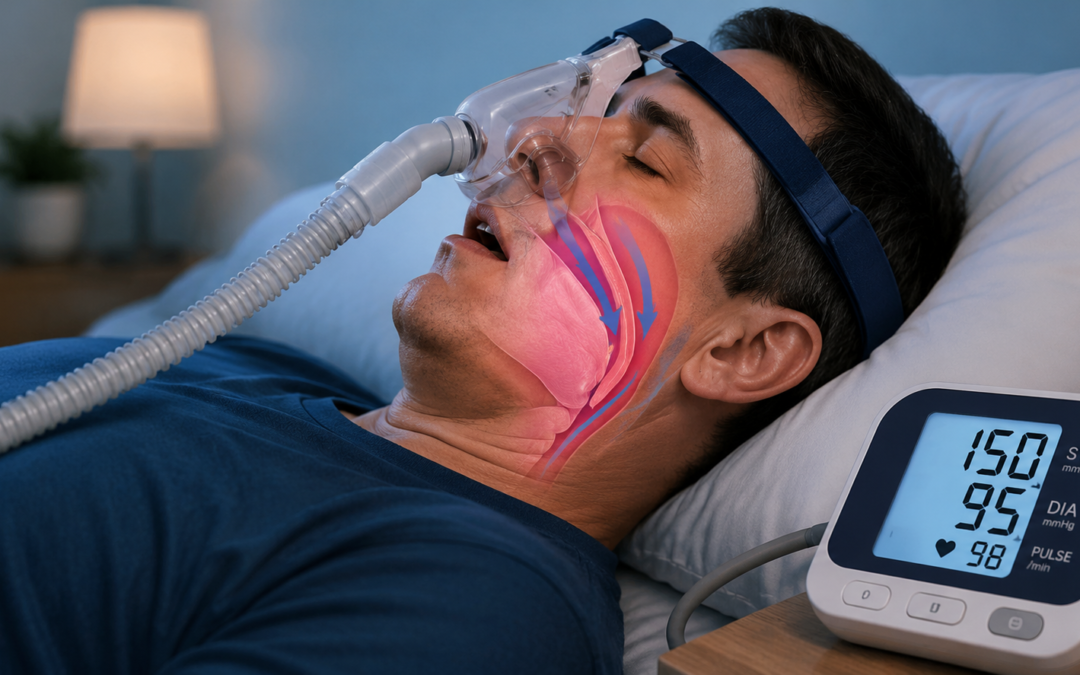
- Sleep-disordered breathing: Sleep apnea and bruxism are more connected than most people realise. Treating the breathing issue can also help reduce bruxism.
- Medications and stimulants: Certain antidepressants, SSRIs and high caffeine intake are known to increase bruxism activity. Alcohol before bed makes involuntary jaw movement more likely.
- Bite issues and jaw tension: When the teeth don’t meet evenly, the jaw keeps searching for a stable resting position through the night. TMJ problems tend to develop from exactly this pattern.
So treating the grinding without asking what’s behind it rarely holds. Learn more about how airway issues connect to jaw problems with snoring treatment at DreamDent.
What Damage Does Sleep Bruxism Actually Cause?
The jaw generates considerable force during a bruxism episode. Do that repeatedly across months and years and the effects become hard to ignore.
- Worn and cracked teeth: Enamel doesn’t grow back. Sensitivity and chipping are late signs and the wear started long before either showed up.
- Jaw pain and TMJ dysfunction: Every grinding episode loads the temporomandibular joint. Clicking, restricted movement and facial soreness are common signs nobody connects to their sleep.
- Headaches and neck tension: The jaw muscles contract hard through the night. Most people reach for painkillers and never trace it back to what happened while they were asleep.
- Broken sleep: Bruxism episodes trigger partial arousals the brain never fully registers. But the fatigue the next day is very real.
For more on how airway and sleep dysfunction overlap, read mouth breathing at night.
Why Choose DreamDent for Sleep Bruxism Care?
Dr. Priyam Parikh has over fifteen years of experience in dental sleep medicine and is India’s first International Certificant with the American Board of Dental Sleep Medicine. At DreamDent bruxism isn’t assessed in isolation. The airway, jaw position, bite and sleep patterns are looked at together as one picture. The clinic brings sleep physicians, TMJ specialists and physiotherapists under one roof.
But grinding rarely has one cause. Treatment here is built around what’s actually behind it. Some patients need a custom splint. Others need an oral appliance that addresses the airway. Many need both. Most notice a real change in how they wake up before the full picture even resolves.
Waking up with a sore jaw or tight facial muscles? Book a consultation
Frequently Asked Question
What is teeth grinding during sleep called?
Sleep bruxism. It’s an involuntary jaw activity that happens during sleep and most people have no idea it’s occurring.
Can stress alone cause teeth grinding at night?
It can and often does. Many people only grind during high-stress periods and the habit reduces once that pressure lifts.
Does sleep apnea cause teeth grinding?
There’s a recognised clinical link. When the airway blocks during sleep the jaw moves forward as a reflex and bruxism can follow.
How is sleep bruxism treated?
It depends on what’s driving it. Custom splints protect the teeth. Oral appliances address airway involvement. Stress and bite issues are part of the clinical picture too.
Disclaimer: This blog is for educational purposes only. If you suspect you’re grinding your teeth during sleep, consult a qualified dental sleep medicine specialist for a proper evaluation.