

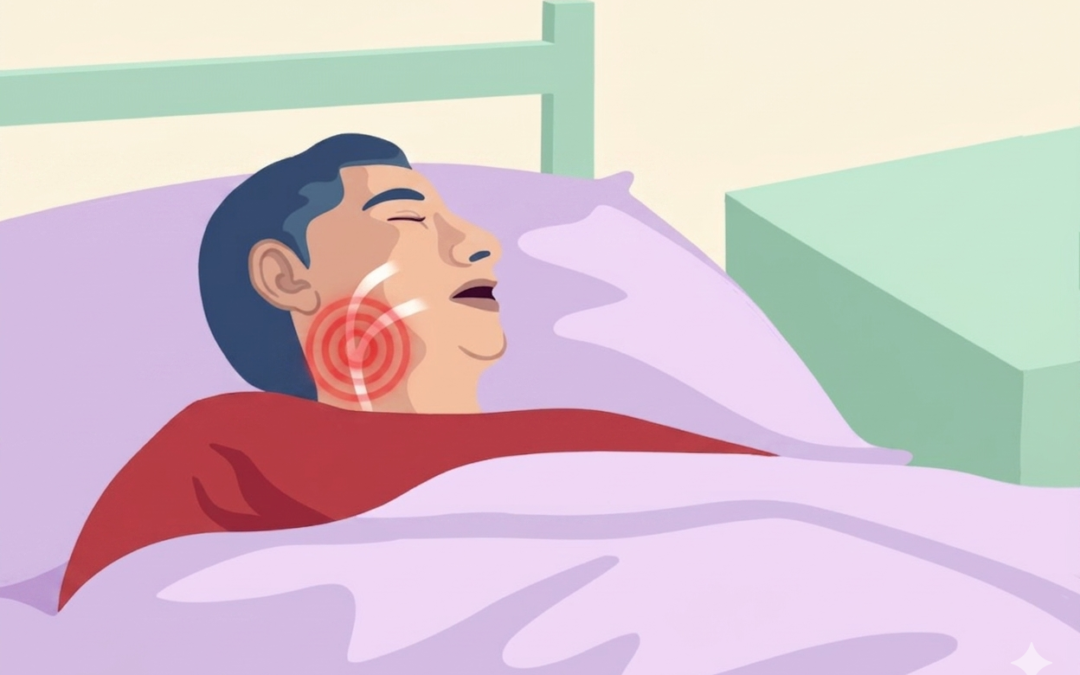
Sleep is essential for a healthy mind and body, but millions of people silently suffer from sleep apnea without even realizing it. This serious sleep disorder causes repeated interruptions in breathing during sleep, leading to poor oxygen supply and disturbed rest. If left untreated, sleep apnea can increase the risk of heart disease, high blood pressure, diabetes, stroke, and chronic fatigue.
A Sleep Medicine Specialist can help diagnose and treat sleep apnea before it becomes dangerous. Recognizing the early warning signs is the first step toward better sleep and overall health.
Loud and Chronic Snoring
One of the most common signs of sleep apnea is loud snoring. While occasional snoring may be harmless, persistent and heavy snoring can indicate blocked airways during sleep.
If your partner notices:
- Loud snoring every night
- Snorting or choking sounds
- Pauses in breathing
you should consult a Sleep Medicine Specialist immediately.
Pauses in Breathing During Sleep
People with sleep apnea often stop breathing for a few seconds multiple times during the night. In many cases, family members or partners notice this before the patient does.
These breathing pauses reduce oxygen levels and force the brain to wake the body repeatedly, disturbing sleep quality.
Excessive Daytime Sleepiness
Do you feel tired even after sleeping for 7–8 hours?
Excessive daytime sleepiness is a major warning sign of sleep apnea. Interrupted sleep prevents the body from reaching deep restorative sleep stages, leaving you exhausted throughout the day.
Common symptoms include:
- Feeling sleepy at work
- Trouble staying awake while driving
- Low energy levels
- Frequent yawning
Morning Headaches
Waking up with headaches regularly may be linked to reduced oxygen levels caused by sleep apnea.
Morning headaches are often caused by:
- Poor oxygen circulation
- Interrupted sleep cycles
- Increased pressure in blood vessels
If headaches disappear later in the day but return every morning, it may indicate an underlying sleep disorder.
Difficulty Concentrating
Sleep apnea affects brain function and mental clarity. Poor sleep quality can make it difficult to focus, remember information, or make decisions.
Many people experience:
- Brain fog
- Poor memory
- Reduced productivity
- Mood swings
Over time, untreated sleep apnea can impact professional and personal life significantly.
Waking Up Gasping or Choking
Suddenly waking up gasping for air is one of the clearest warning signs of sleep apnea.
This happens because the airway becomes blocked during sleep, causing oxygen levels to drop. The brain briefly wakes the body to restart breathing.
Ignoring this symptom can increase the risk of serious health complications.
Dry Mouth or Sore Throat in the Morning
Sleep apnea often causes mouth breathing during sleep, leading to:
- Dry mouth
- Sore throat
- Bad breath
- Irrated throat tissues
If these symptoms occur regularly along with snoring, sleep apnea may be the underlying cause.
High Blood Pressure
There is a strong connection between sleep apnea and high blood pressure.
Repeated oxygen loss during sleep puts stress on the cardiovascular system, increasing blood pressure levels. Untreated sleep apnea may also raise the risk of:
- Heart attack
- Stroke
- Irregular heartbeat
A proper sleep evaluation can help reduce these risks.
Mood Changes and Irritability
Poor sleep affects emotional well-being. Many people with sleep apnea experience:
- Anxiety
- Depression
- Irritability
- Sudden mood swings
Quality sleep is essential for emotional balance and mental health.
Insomnia or Frequent Nighttime Awakening
Some individuals with sleep apnea struggle to stay asleep and wake up repeatedly throughout the night without understanding why.
This fragmented sleep pattern leads to:
- Fatigue
- Poor concentration
- Reduced immunity
- Low quality of life
If you frequently wake up at night, it’s important to get evaluated by a specialist.
Struggling With Snoring or Poor Sleep?
Don’t ignore the early signs of sleep apnea. Consult a Sleep Medicine Specialist for accurate diagnosis and effective treatment.
How Is Sleep Apnea Diagnosed?
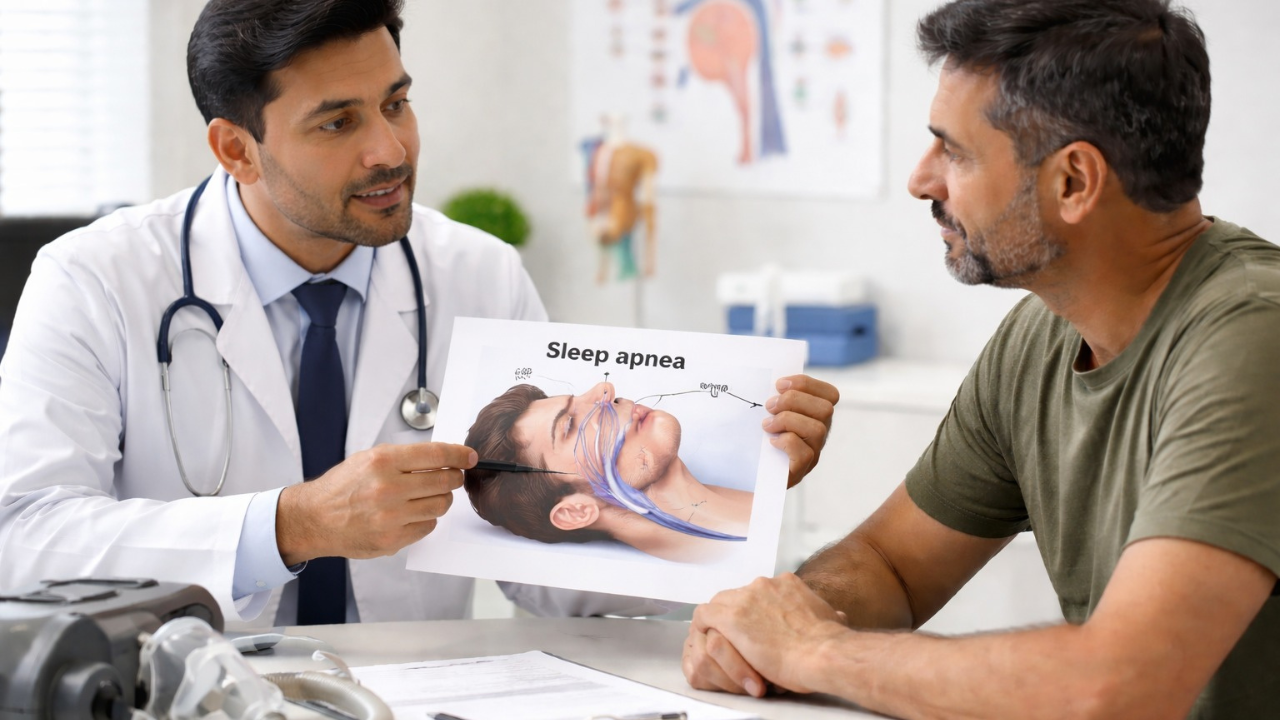
A Sleep Medicine Specialist may recommend a sleep study to monitor:
- Breathing patterns
- Oxygen levels
- Heart rate
- Brain activity during sleep
Diagnosis helps determine the severity of sleep apnea and the best treatment plan.
Treatment Options for Sleep Apnea
Treatment depends on the severity of the condition. Common options include:
Lifestyle Changes
- Weight management
- Regular exercise
- Avoiding alcohol and smoking
- Sleeping on your side
CPAP Therapy
A CPAP machine keeps airways open during sleep and is one of the most effective treatments for moderate to severe sleep apnea.
Oral Appliances
Special dental devices can help keep the airway open during sleep.
Surgery
In severe cases, surgery may be recommended to remove airway blockages.
Book a Consultation With a Sleep Medicine Specialist Today
Experiencing loud snoring or daytime fatigue? Get expert diagnosis and treatment to improve your sleep and overall health.
Final Thoughts
Sleep apnea is more than just snoring — it is a serious medical condition that can affect your heart, brain, energy levels, and overall well-being. Recognizing the warning signs early can help prevent severe health complications.
If you or a loved one experiences symptoms like loud snoring, breathing pauses, daytime sleepiness, or morning headaches, don’t ignore them. Consulting a qualified Sleep Medicine Specialist can help you get the right diagnosis and effective treatment.
Healthy sleep leads to a healthier life.
Frequently Asked Question
Can sleep apnea go away on its own?
Mild cases may improve with lifestyle changes, but most people require medical evaluation and treatment.
Is snoring always a sign of sleep apnea?
No, but loud and chronic snoring combined with breathing pauses can indicate sleep apnea.
Can sleep apnea cause heart problems?
Yes, untreated sleep apnea can increase the risk of high blood pressure, heart disease, stroke, and irregular heartbeat.
When should I see a Sleep Medicine Specialist?
You should seek medical help if you experience loud snoring, daytime fatigue, breathing interruptions during sleep, or frequent nighttime awakenings.
Disclaimer: The information shared in this content is for educational purposes only and not for promotional use.
